
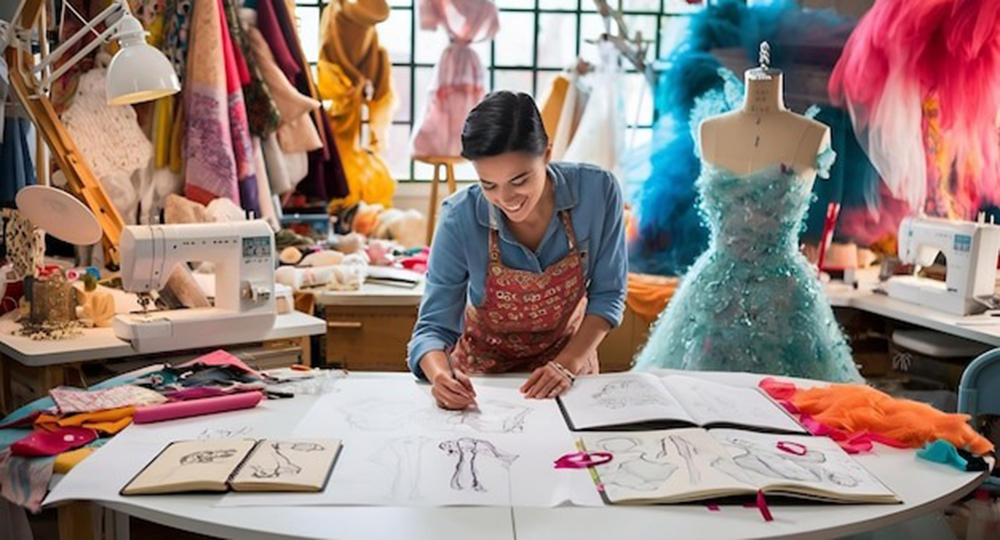
In India, women are increasingly seeking careers that offer creativity, flexibility, and financial independence. Fashion designing has emerged as one of the most powerful tools for women’s empowerment, enabling them to transform skills into sustainable income. From urban cities to rural areas, fashion education is helping women become confident, self-reliant, and successful entrepreneurs.
Education as the First Step to Empowerment
Learning a professional skill is the foundation of empowerment. Fashion designing courses provide women with practical knowledge in garment cutting, stitching, blouse designing, saree draping, and modern fashion techniques. These skills can be learned without prior experience, making fashion education accessible to women from all backgrounds.
Opportunity to Earn from Home
One of the biggest advantages of fashion designing is the ability to work from home. Women can start tailoring services, take custom orders, or offer saree draping services without investing in expensive infrastructure. This flexibility is especially beneficial for homemakers who wish to balance family responsibilities while earning an income.
Financial Independence Builds Confidence
Earning through fashion designing boosts self-confidence and decision-making power. Women who generate their own income contribute financially to their families and gain respect in society. Even small earnings in the beginning often grow into stable businesses over time.
Encouraging Entrepreneurship Among Women
Fashion designing encourages women to become entrepreneurs rather than job seekers. Many women start with a small setup and gradually expand into boutiques, online stores, or fashion brands. With the help of social media and digital platforms, reaching customers has become easier than ever.
Preserving Culture While Creating Income
Traditional Indian garments such as sarees, blouses, and ethnic dresses play a major role in fashion designing. By learning these skills, women help preserve cultural heritage while creating income opportunities. Skills like Nauvari saree draping and ethnic dress designing are in high demand for weddings and cultural events.
Role of Professional Training and Certification
Professional training adds structure, confidence, and credibility. Certified courses help women gain trust from customers and improve their market value. Guidance from experienced trainers ensures quality learning and long-term success.
Social Impact of Women Empowerment Through Fashion
When women become financially independent, the impact extends beyond individuals. Empowered women support education, improve family well-being, and inspire other women in their communities. Fashion designing has proven to be a strong medium for social and economic development.
Conclusion
Fashion designing is more than a creative profession; it is a pathway from learning to earning for women across India. With the right training, dedication, and support, women can build successful careers, achieve financial independence, and contribute positively to society. Fashion education continues to play a vital role in empowering women and shaping a stronger future.